
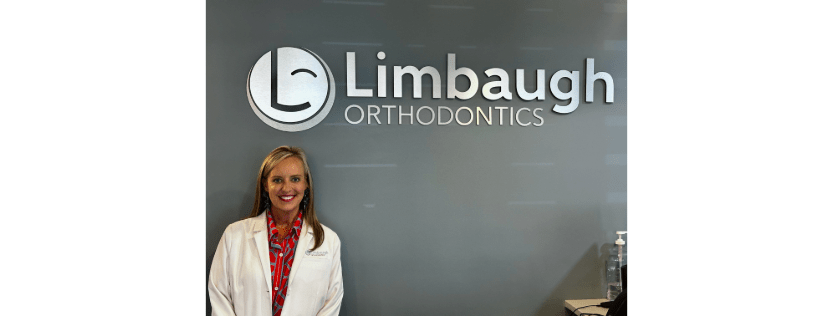

Sit Down with Success: Dr. Lindsay Limbaugh of Limbaugh Orthodontics
For 20 years, board-certified orthodontist Dr. Lindsay Limbaugh has helped create confident smiles while building a practice rooted in service, leadership, and community.
As the owner of Limbaugh Orthodontics, Limbaugh has established herself as a respected leader in her profession, serving in numerous local and state dental leadership roles while remaining committed to providing exceptional care to her patients.
In this edition of Sit Down with Success, Limbaugh reflects on the lessons she has learned, the importance of investing in others, and why success today is defined less by professional achievements and more by making a positive impact.
Tell us a little about what inspired you to pursue a career in orthodontics.
I loved the idea of building long-term relationships with patients and families, watching their confidence grow, and being part of a transformation that can truly impact how they see themselves.
What motivated you to start your own practice, and what were some of the biggest challenges you faced as a business owner?
Starting my own practice allowed me to build the kind of environment I believed patients and team members deserved, one that felt professional, welcoming, and fun.
The biggest challenge was learning that being a great orthodontist and being a business owner require very different skill sets. You have to learn leadership, finance, marketing, team development, decision-making, and problem-solving in real time. It is challenging, but it has also been one of the most rewarding parts of my career.
What is a professional risk you took that ultimately helped shape your success?
Growing my own practice was certainly a professional risk. It required faith, hard work, and the willingness to make decisions without always knowing the outcome. Over time, I also learned to trust my vision for the practice, even when it meant doing things differently.
Building a successful team is critical in any business. What qualities do you look for when hiring, and how do you create a positive culture within your practice?
Skill matters, but attitude matters just as much. I look for people who are kind, dependable, coachable, energetic, and genuinely enjoy serving others. Orthodontics is very team-oriented, and every person in the office affects the patient experience.
You are known for your patient-centered approach. How do you ensure patients feel comfortable and cared for throughout their treatment journey?
We try to make every patient feel seen, heard, and valued from the moment they walk in the door.
In addition to your work with patients, you have been involved in education and leadership within your profession. Why is it important to invest in the next generation of orthodontists and healthcare professionals?
Someone invested in me along the way, and I think it is important to do the same for others. Healthcare is constantly evolving, and the next generation needs not only clinical knowledge but also mentorship, encouragement, and real-world perspective. I believe strong leaders in healthcare should be willing to teach, support, and share what they have learned. When we invest in future professionals, we help raise the standard of care for everyone.
What role does community involvement play in your personal and professional life?
Community involvement is a huge part of who we are at Limbaugh Orthodontics. We live here, work here, raise families here, and care for patients who are part of this community.
Supporting schools, local events, teachers, students, teams, and families is one way we can give back to the people who have supported us. For me, it is about more than marketing — it is about being a positive presence in the community and using our platform to encourage others.
What leadership lessons have you learned over the course of your career that continue to influence how you lead today?
One of the biggest lessons I have learned is that leadership requires consistency. People need to know what you stand for, what you expect, and that you are willing to hold yourself to the same standard.
I have also learned that communication is everything. You cannot assume people know the vision — you have to share it, repeat it, and live it. Good leadership also requires humility. You have to be willing to listen, learn, adjust, and keep growing.
What are some misconceptions people have about orthodontics or running a healthcare practice?
A common misconception is that orthodontics is just about straight teeth. In reality, it is about function, facial balance, bite, long-term stability, confidence, and overall oral health. Another misconception is that running a healthcare practice is simple if you are good at your clinical work. The truth is that a practice is also a business, a team, a patient experience, and a community presence. It takes constant attention to both the quality of care and the quality of the experience.
How do you continue learning and growing as a leader after more than two decades in practice?
I try to stay curious. I continue learning clinically, but I also spend a lot of time thinking about leadership, team culture, communication, and patient experience. I believe growth happens when you are willing to evaluate what is working, what is not working, and where you can improve. Even after many years in practice, I still believe there is always something new to learn and a better way to serve patients, lead a team, and grow as a person.
How do you balance the demands of running a business with your personal life and other commitments?
Balance is something I am always working on. Running a business requires a lot of energy, and it can be difficult to turn that off. I have learned that balance comes from being intentional — with my time, my priorities, my team, and my family. I also try to surround myself with strong people and trust them to do their jobs well. You cannot do everything yourself, and learning to delegate has been important both professionally and personally.
How do you define success today, and has that definition changed over time?
My definition of success has definitely changed. Early in your career, success can feel very goal-oriented — building a practice, growing, reaching milestones. Those things still matter, but today I define success more by impact.
Are we taking excellent care of our patients? Are we creating confidence? Are we building a team culture that people are proud to be part of? Are we contributing positively to our community? To me, success is about making a meaningful difference while staying true to your values.
What is one piece of advice you would give to aspiring entrepreneurs?
Know your “why” and be willing to work hard for it. Entrepreneurship is rewarding, but it is not easy. There will be challenges, mistakes, long days, and moments of uncertainty. If your purpose is clear, it helps guide your decisions and keeps you going when things are difficult. I would also tell aspiring entrepreneurs to surround themselves with good people, ask questions, stay humble, and never underestimate the power of excellent service. People remember how you make them feel.